One of our patients is featured in the calander for November 2010. This calander is a beautiful testiment to dogs and their owners.
Check out a heartfelt effort and link at
http://www.2dogs2000miles.org/
Go Hudson, Murphy, and Luke!!
Tuesday, December 15, 2009
Thursday, December 10, 2009
Holiday Precautions
The last thing any pet owner wants to do on Christmas or New Years is rush their pet to the animal emergency room! But, the truth is that many pets are injured or poisoned during these holidays. How can you make sure your holiday doesn’t end in disaster?
1) During the holidays, most animal related ER visits are due to eating something inappropriate. Some foods cause upset stomachs, some are poisonous, and some can cause life-threatening obstructions.
2) We know that 60% of us will share our holiday meal with our pets, but you should follow a few basic guidelines.
3) A small amount of white turkey is an acceptable treat but definitely avoid the turkey skin and the turkey bones! The skin is often fatty and can cause pets to develop pancreatitis, a painful inflammation of the pet’s pancreas.
4) Poultry bones, especially cooked, have potential to both break off and cause a perforation of the digestive tract or, if large amounts are consumed, could cause an obstruction.
5) Other foods to avoid include: grapes and raisins, excessively salty foods, foods flavored with onion or garlic powder, desserts and sweets containing Xylitol, and chocolates.
6) All leftovers should be secured behind a pet-proof door.
7) Remember, keep your trash can secure. Many items used in the meal preparation and then thrown away can be dangerous. A turkey string, foil wrappers, etc may smell like food and be eaten by a curious pet.
8) Decorative plants are also a source of danger. Mistletoe and holly can cause vomiting and lilies are often deadly to cats. Poinsettias, despite their reputation, are not deadly and often cause little more than mild stomach upset.
9) Some holiday decorations are also dangerous. Ribbons and tinsel are especially attractive and hazardous to cats. Keep an eye on electrical cords to insure puppies and kittens don’t chew on them.
10) During family gatherings, it might be best to keep pets confined if they are overly anxious. Also, monitor people going in and out of the front door. Pets might take advantage and try to escape.
1) During the holidays, most animal related ER visits are due to eating something inappropriate. Some foods cause upset stomachs, some are poisonous, and some can cause life-threatening obstructions.
2) We know that 60% of us will share our holiday meal with our pets, but you should follow a few basic guidelines.
3) A small amount of white turkey is an acceptable treat but definitely avoid the turkey skin and the turkey bones! The skin is often fatty and can cause pets to develop pancreatitis, a painful inflammation of the pet’s pancreas.
4) Poultry bones, especially cooked, have potential to both break off and cause a perforation of the digestive tract or, if large amounts are consumed, could cause an obstruction.
5) Other foods to avoid include: grapes and raisins, excessively salty foods, foods flavored with onion or garlic powder, desserts and sweets containing Xylitol, and chocolates.
6) All leftovers should be secured behind a pet-proof door.
7) Remember, keep your trash can secure. Many items used in the meal preparation and then thrown away can be dangerous. A turkey string, foil wrappers, etc may smell like food and be eaten by a curious pet.
8) Decorative plants are also a source of danger. Mistletoe and holly can cause vomiting and lilies are often deadly to cats. Poinsettias, despite their reputation, are not deadly and often cause little more than mild stomach upset.
9) Some holiday decorations are also dangerous. Ribbons and tinsel are especially attractive and hazardous to cats. Keep an eye on electrical cords to insure puppies and kittens don’t chew on them.
10) During family gatherings, it might be best to keep pets confined if they are overly anxious. Also, monitor people going in and out of the front door. Pets might take advantage and try to escape.

Tuesday, December 1, 2009
Project Samana by Heidi Greene, CVT
 Named for the rural town in which it is based, Project Samana is an animal welfare program that takes place on the Samana peninsula on the northeast coast of the Dominican Republic. Thanks to our very own Dr. Robert Labdon, who founded Project Samana in 1992, twice a year, a team of veterinarians, technicians and students spend a week in this region operating both small and large animal clinics.
 A few weeks ago, I was fortunate enough to be a part of the November 2009 Project Samana Team. It was one of the greatest experiences I've ever had!
 One would think that with only basic donated supplies and the lack of electricity and running water, the atmosphere would be one of chaos, tension and frustration. But, in fact, it was just the opposite. It was amazing to me that this team of 19, most of whom I had never met before, was able to come together and, within hours, work so well, it was though we had doing so for years.
Our first morning, we were greeted by our first 20 or so owners with their dogs on wire leashes and their cats in shopping bags and other creative carrying devices. We quickly set up our stations with our respective supplies and got right to work spaying and neutering four, and sometimes five, animals at time.  With an injection of antibiotics and some pain medication, the animals were free to go home as soon as they were able to walk.

All of the surgical instruments were quickly scrubbed and disinfected between patients by a very generous local man who has volunteered at these clinics for years. We kept up this pace until we ran out of daylight. (Although, one afternoon, we finished up our last patients by flashlight!) On average, we performed between 25 and 35 surgeries a day, with a final total of more than 140 animals.
 When I first found out that I would be going to Samana, I was nervous about being outside of my "comfort zone". I had never worked anywhere but in a hospital setting. The idea of being anywhere else seemed so overwhelming! But no sooner than when I began to shave or first patients surgical site, I realized that it didn't matter where I was. It didn't matter how hot, filthy or exhausted I was. What mattered was that I, and everyone else who has ever been a part of Project Samana, was able to help these animals and their owners when they needed us. Now I can't wait for the opportunity to go back!

2009 Project Samana Team
 With an injection of antibiotics and some pain medication, the animals were free to go home as soon as they were able to walk.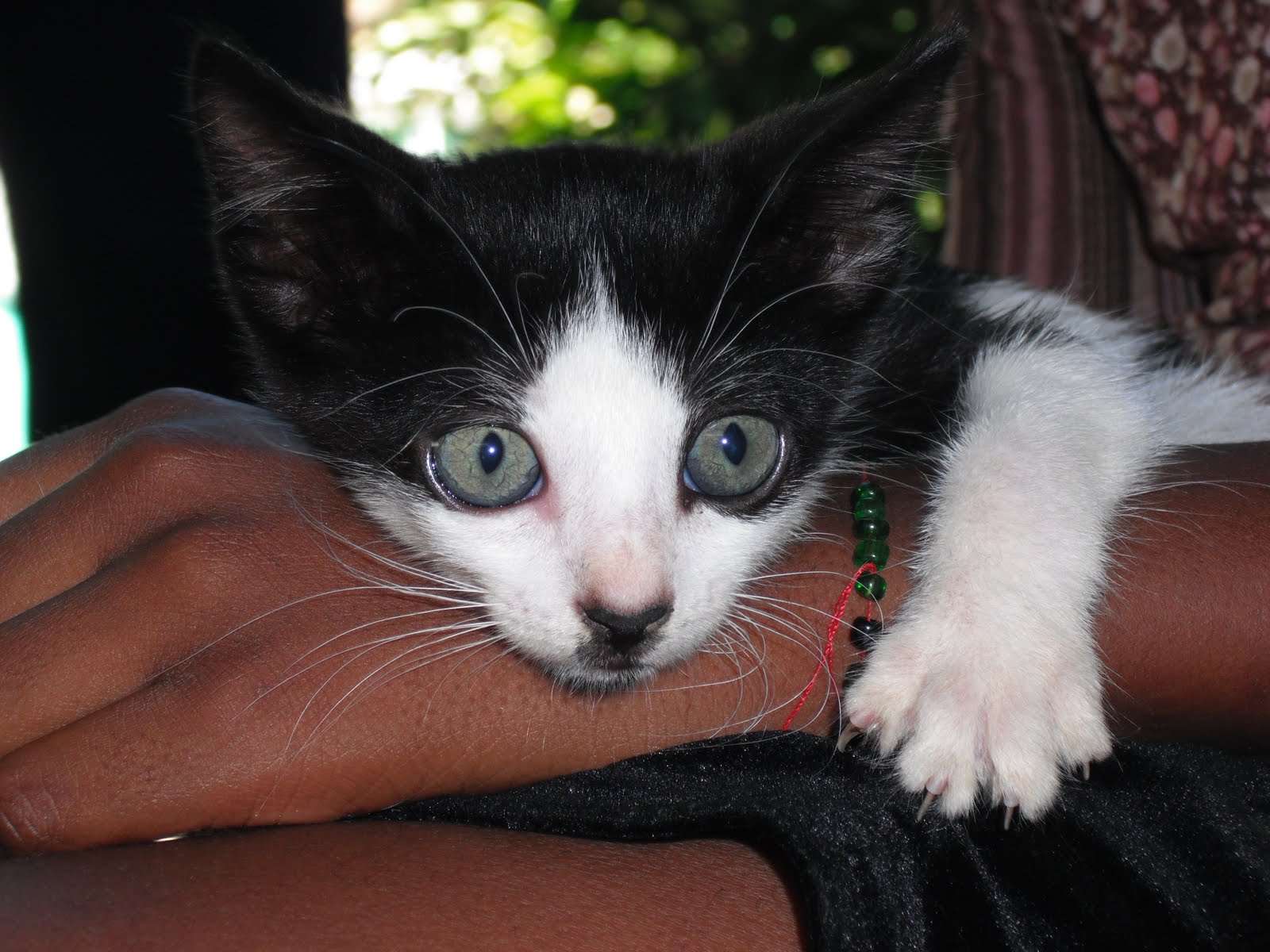
All of the surgical instruments were quickly scrubbed and disinfected between patients by a very generous local man who has volunteered at these clinics for years. We kept up this pace until we ran out of daylight. (Although, one afternoon, we finished up our last patients by flashlight!) On average, we performed between 25 and 35 surgeries a day, with a final total of more than 140 animals.
 When I first found out that I would be going to Samana, I was nervous about being outside of my "comfort zone". I had never worked anywhere but in a hospital setting. The idea of being anywhere else seemed so overwhelming! But no sooner than when I began to shave or first patients surgical site, I realized that it didn't matter where I was. It didn't matter how hot, filthy or exhausted I was. What mattered was that I, and everyone else who has ever been a part of Project Samana, was able to help these animals and their owners when they needed us. Now I can't wait for the opportunity to go back!
2009 Project Samana Team
Saturday, November 28, 2009
Supporting our Senior Pets
Most people know when they get a new puppy there's a lot of things that need to be done. There's chew toys, beds, bowls, obedience classes, and of course getting all their vaccines and seeing they get spayed or neutered.
But what happens as our pets age? Suddenly their needs become great again, they can't jump in and out of the car without you putting their paws up first. Maybe they become diabetic, or develop other health problems like kidney failure, or hyperthyroidism. These things can be expensive for the average pet owner, leaving them in a difficult position of only doing what they can afford and forgoing the rest.
One thing we are doing at VACC to help with this problem is to offer our new Senior Silver and Senior Gold packages. Our hope is that by running routine tests we can help find problems early, making it easier on the owner and the pet to treat and do supportive care.
The Senior Siver Packages include :
- Physical exam
- Complete Blood Count (CBC)
- Chemistry Profile (liver and kidneys)
- Total T4 (thyroid)
- Urinalysis
- Fecal (canine) or Blood pressure (feline)
The Senior Gold Packages include :
- Physical Exam
- Complete Blood Count
- Chemistry Profile
- Total T4
- Free T4
- Urinalysis
- Digital Radiographs (2 view x-rays)
- Ocular pressure (canine) blood pressure (feline)
- Fecal
Each package gives the owner a savings of almost 40% (37% silver, 39% gold) and provides an excellent overall picture of your pets health. If you're do for a visit, or simply have questions about your senior pet, ask your doctor about the senior pet care packages or give us a call at 508-394-3566.
Tuesday, November 24, 2009
What if you were being spayed?
A laparoscopic ovarioectomy means our patients will have less pain, greater safety and a faster recovery
The Advantages of Laparoscopic Spays:
- The surgery is performed through two tiny incisions the size of a dime
- It is less painful than a traditional spay
- It provides the surgeon a much better view
- Potential complications are reduced
- The patient has a faster recovery
- Using our advanced Ligasure Vessel Sealing System, bleeding is minimal to nonexistent
- Gastropexy can be performed at the same time
Thursday, November 12, 2009
FDA’s Center for Veterinary Medicine Alerts Veterinarians About Problems with Vetsulin® to Treat Diabetes in Dogs and Cats
The Food and Drug Administration’s (FDA) Center for Veterinary Medicine (CVM) and Intervet/Schering-Plough Animal Health are alerting veterinarians and pet owners that Vetsulin®, a porcine insulin zinc suspension used to treat diabetes in animals, may have varying amounts of crystalline zinc insulin in the formulation. Because this Intervet/Schering-Plough Animal Health product is out of specification it could cause a delay in insulin action and an overall longer duration of insulin activity. Products having significant problems with stability can affect the management of chronic diseases. Unstable insulin products can result in unpredictable fluctuations in the glucose levels of diabetic patients. Intervet/Schering-Plough Animal Health is unable to assure FDA that each batch of their product is stable.
FDA and Intervet/Schering-Plough Animal Health request that veterinarians closely monitor their patients receiving Vetsulin® for any changes in onset or duration of activity, or for any signs of hyperglycemia or hypoglycemia. The classic signs of hyperglycemia include increased thirst, increased urination, weight loss and lethargy. The classic signs of hypoglycemia would include disorientation, unsteadiness, weakness, lethargy, and seizures.
FDA and Intervet/Schering-Plough Animal Health request that veterinarians closely monitor their patients receiving Vetsulin® for any changes in onset or duration of activity, or for any signs of hyperglycemia or hypoglycemia. The classic signs of hyperglycemia include increased thirst, increased urination, weight loss and lethargy. The classic signs of hypoglycemia would include disorientation, unsteadiness, weakness, lethargy, and seizures.
Friday, November 6, 2009

MEET MORRIS!
Morris is a very sweet, gentle guy who loves attention. He was recently surrendered to us at VACC when he was diagnosed as diabetic and his owners could not afford the cost to provide the best care for him. Morris is on one unit of insulin twice a day, and although he may need a little extra care, he'll return the favor ten fold. If you're interested in adopting Morris, or know someone who is, please contact us at 508-394-3566.
Subscribe to:
Posts (Atom)