Visit us at www.capecodvets.com

Tuesday, January 29, 2013

Microchip Activated Cat Door- Not Just for Outdoor Cats


Owners of indoor/outdoor cats who use a cat door occasionally find unwelcome visitors in their homes.  Standard cat doors allow anyone in- the most common invaders are stray cats and raccoons, but small dogs and other wildlife may enter as well.
Owners of multiple cats often run into the problem of how to keep meals separate when the cats are on different diets.
The SureFlap cat door can be used to solve both of these problems. This door recognizes your cat's microchip and remains locked until your cat gets close enough to use it. Mounted on an exterior door, wall, or window, the door will keep unwanted animals out of your home. If you need to separate your cats' meals, mount the SureFlap on an interior door and only program the microchip number of the cat or cats who will be allowed into that room.

Other electronic pet doors are activated by a chip worn on a collar, which can be easily lost by a cat who goes outdoors. Because your cat's microchip has been implanted permanently under their skin, you won't have to worry about a collar getting snagged or lost.
One important thing to remember is the SureFlap will only allow you to choose which cats enter- any cat can leave through the door. Additionally, some reviews of this door claim that it does not keep raccoons out, so if wildlife is your problem, you may want to consider a different door.

UPDATE: SureFlap will soon be introducing a larger door, suitable for large cats and small dogs, that is also secure against raccoons. Click here to watch the raccoon test!

Thursday, January 24, 2013

GPS for Pets

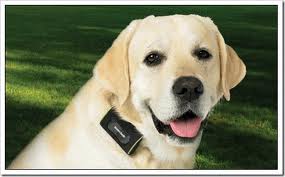
While microchips have reunited many lost pets with their owners, they do have a downside. If your pet is not found by someone with the ability to scan for the microchip, there is no way for you to know where they are.  GPS technology is now small enough to be clipped to your pet's collar or harness, providing you with a way to locate them from your computer or cell phone instantly.


GPS technology can be used to locate lost pets or to monitor their activity level. Here are a few different versions:

Tagg GPS can be used on pets 10 pounds and larger. The device attaches to your pet's collar and is designed to be worn all the time- even while swimming.

Garmin makes several models, for everyone from the professional dog trainer to the average pet owner.

RoamEO pet monitor system uses GPS and radio signals to track your pet, and doesn't require separate service like many other systems.

Click here for the Consumer Reports analysis of these brands.

Wednesday, January 16, 2013

The Latest in Veterinary Medicine: Hyperbaric Oxygen Therapy

Hyperbaric Oxygen Therapy (HBOT) was originally developed for human medicine, but now there are several veterinary hospitals that offer the treatment for small animals as well.


The chamber allows oxygen to be delivered at a pressure that is much higher than normal air pressure at sea level. The procedure is painless, and because of the high pressure, oxygen is able to reach more of the animal's tissues, promoting faster healing.  HBOT is especially valuable for patients with swollen tissues. At normal atmospheric pressure, blood would not be able to reach all of the cells, causing some of them to be deprived of oxygen. In the hyperbaric chamber, oxygen is able to reach 3 to 4 times farther into damaged tissue. Animal HBOT has been used to for many different treatments, from stem cell transplants to rattlesnake poisonings. 

Thursday, January 10, 2013

In Case of Emergency


Unfortunately, emergencies sometimes happen with our pets. Some of the more common emergency situations we see at VACC include: lacerations, ingestion of objects likely to cause intestinal obstruction, ingestion of toxic substances, bites or wounds from other animals, bladder obstructions, automobile accidents, heat stroke, and even fish hook punctures. Other conditions may also require immediate care as well.
If your pet develops any of the following symptoms they should be seen by a veterinarian as soon as possible:

  • Suddenly unable to stand or walk
  • Straining to urinate, defecate, or vomit
  • Difficulty breathing
  • Pale gums
  • Excsessive bleeding
  • Neurological symptoms such as seizures, excessive drooling, or staggering
  • Sudden and extreme lethargy or unconsciousness 
  • Dehydration due to excessive vomiting or diarrhea 

Here are some tips to help you be prepared in case of an emergency:
  • Don't panic! If you remain calm, your pet will feel more at ease. If you are very upset, you may want to find someone to drive you and your pet to the veterinary clinic.
  • Call when you are on your way. Keep the numbers of your regular veterinarian, as well as the closest 24 hour vet hospital, in your phone and make sure you know where they are located. You won't want to be searching for a phone number or address when you are worried about your pet. Also, if we know we have an emergency patient on the way, we can be prepared to begin treatment immediately.
  • If your pet is having a seizure, do not try to put anything in their mouth. You should not try to restrain larger dogs during a seizure, as you may be injured, but you can move nearby objects to prevent injury.
  • If your pet is being attacked by another animal, do not try to break up the fight unless you can use the leashes of both animals to control them. 
  • If your pet is hit by a car they should be seen by a veterinarian immediately, even if there are no visible wounds. There may be internal bleeding, so a veterinary exam is necessary.
  • If your pet is bleeding, try to apply steady pressure to the wound. Ear wounds bleed a lot! Luckily, they are not usually life threatening. One very clever VACC client cut the sleeve off of his t-shirt and slipped it over his dog's head to help slow the bleeding of her ear laceration.

Wednesday, January 2, 2013

Bitter Agent Added to Antifreeze Nationwide


The antifreeze and engine coolant we use for our cars contains ethylene glycol. This chemical is toxic and particularly dangerous to animals and children because it has a sweet taste and smell. As little as a teaspoon can kill an adult cat, and according to the Humane Society Legislative Fund, as many as 90,000 animals are poisoned per year as a result of ingesting ethylene glycol.
Last month, the Humane Society Legislative Fund and the Consumer Specialty Products Association announced that all antifreeze and engine coolant produced in the United States for sale direct to consumers will contain the bitter chemical denatonium benzoate. Companies that produce the automotive products will now be adding the flavoring agent voluntarily.
Massachusetts and 16 other states had already passed legislation that required the addition of bittering agent to engine coolant and antifreeze sold to consumers, so nothing will be changing for us here on Cape Cod.
Some argue that most antifreeze spills are from products sold wholesale to automotive shops. Currently, most wholesale products do not contain the bitter flavoring agent, so there is still a risk that pets will be poisoned by a puddle in the driveway or garage. In Massachusetts, there is a movement to include wholesale products in the legislation.

If you suspect that your pet has ingested antifreeze, it is important to seek veterinary treatment as soon as possible. The sooner they receive treatment, the better their chances of survival.

Thursday, December 27, 2012

Bringing Home a New Pet


Did your family get a new pet this holiday season? Here are some tips to make the transition smoother for everyone:


  • Be prepared! Make sure you have everything your new pet will need before they arrive. For dogs this means food, dishes for food and water, a leash and collar with an ID tag, toys, and a crate (if you will be using one). Cats will also need food, dishes, and toys, as well as a carrier. Indoor cats don't need a collar, but some people have their indoor cats wear one, just in case they sneak outside.
  • Make it feel like home. If possible get a small amount of food, some toys, or a blanket from the pet's previous home. The food will allow you to switch gradually to the new diet, which will help prevent gastrointestinal upset. The toys and blanket will have familiar smells, and will help your new pet feel more comfortable.
  • Prepare the welcoming committee. Try to bring your new pet home on a weekend, or when you have a few days off so you can get to know each other. Make sure everyone in the house knows all of the rules and who is responsible for each new duty. For example, if your new pet is not allowed on furniture, everyone in the house should be aware of that. If you already have other pets in the house, prepare to introduce them to their new family member gradually.
  • Meet the vet. Even if your new pet is up to date on all vaccines and blood tests, it's a good idea to bring them to a veterinarian for a check up within the first week. Be sure that any pets already living at home are relatively healthy and fully vaccinated before you bring the new pet home. If the new pet has not been spayed or neutered, be sure to make that appointment as soon as possible.

Wednesday, December 19, 2012

Benefits of Endoscopy

All of us here at VACC are continually impressed by the endoscope. We have had several patients recently who were not good surgical candidates, either due to age or other medical issues, and the endoscope has been (literally) a lifesaver. 
During an endoscopy a camera is passed down the esophagus, and grasping tools can be used to remove foreign objects or to obtain biopsies. This technology will often eliminate the need for a surgical incision, drastically decreasing recovery time. 
In the video below, Dr. Burns uses the endoscope to remove a rock from a patient's stomach. This particular patient had a low platelet count, making surgery a dangerous option. Thanks to Dr. Burns and the endoscope, our patient is resting comfortably and rock-free!